Download Marine Life Sanctuaries Society free rockfish pictures (courtesy of renowned underwater naturalist Andy Lamb) for colouring and learn some fun facts about rockfish!
Ocean Activity Kit for Kids
David Suzuki Foundation Ocean Keepers Ocean Activity Kit for Kids.
*Marine Life of the Pacific Northwest: A Photographic Encyclopedia of Invertebrates, Seaweeds and Selected Fishes by Andy Lamb and Bernard Hanby is listed as a notable book.
Galiano Conservancy Association/Andy Lamb
Galiano Conservancy Association's beach interpreter Andy Lamb gives a crab presentation.
Marine Life Sanctuaries Society
MLSS BIOS reveals the Directors of the Marine Life Sanctuaries Society board. This group of dedicated ocean lovers has decided to work towards creating marine sanctuaries in British Columbia Canada. Andy Lamb is the Director at large of MLSS.
Sea Star Wasting Syndrome
The catastrophic event initially seemed to target two large and obvious species, the giant pink star Pisaster brevispinus and the sunflower star Pycnopodia helianthoides. Later reports and photography have documented two other species, the mottled star Evasterias troschelii and the morning sun star Solaster dawsoni as being involved as well. Affected specimens simply seemed to totally disintegrate after severe internal disruption. This phenomenon is being referred to as “sea star wasting disease”.
LISTEN
READ
Sea Star Catastrophe
by Andy Lamb & photos by Neil McDaniel
Sea Star Wasting Syndrome now documented on NE Vancouver Island The Marine Detective
Devastating Starfish Disease turns up in Nanaimo area
Times Colonist
Family Relations in Sea Star Wasting Syndrome
Vancouver Aquarium
Sea Star Wasting Syndrome: Gulf Islands and Saanich Inlet
Vancouver Aquarium
Sea Star Epidemic in Howe Sound?
Vancouver Aquarium
HELP
Help track Sea Stars with #sickstarfish or #nosickstarfish
Submit your data by uploading your sea star observations to
UCSC Pacific Rocky Intertidal Monitoring: Trends and Synthesis
No take Marine Protected Areas for the Pacific Northwest

I strongly urge each and every reader to obtain access to the April 2007 issue of National Geographic, and then carefully read the special report entitled “Saving the Seas Bounty”. In its usual fine style, this outstanding publication has featured a topic that should give everyone pause to consider.
In particular, the article entitled “Blue Haven” featuring what has been accomplished in New Zealand through the heroic efforts of Dr. Bill Ballantine should strike a positive cord here in the Pacific Northwest. His beautifully simple concept has been and is being accepted in country after country throughout the world. Global evidence for the value of No Take Marine Protected Areas (or Marine Reserves as they are called in New Zealand), steadily accumulates.
During one of his two trips to Vancouver, B.C. to attend a conference in 1992, Dr. Ballantine very eloquently presented the case that a network of No Take MPAs in the Pacific Northwest should be instituted. Many of us who attended remain convinced that their establishment is vital if we wish to pass on our incredible living marine heritage to upcoming generations.
No Take MPAs are essentially underwater equivalents of the magnificent terrestrial park systems so valued in both Canada and the United States. Establishment of these marine counterparts would generate virtually all of the same benefits accruing from National, State and Provincial Parks. In addition, many important fisheries would be positively impacted – a major positive so desperately needed and outlined in the National Geographic special report.
Unfortunately the Pacific Northwest remains virtually bereft of such marine life sanctuaries.
As divers, we have a personal and unique relationship with the sea. For us, the joy and wonder we experience underwater very much depends upon the marine life found there. From this perspective, I believe we should be leading the way, both in educating the general public about the need and lobbying appropriate government officials for establishment of No Take Marine Protected Areas.
Pacific Northwest Marine Life & Coastal Fishes of the Pacific Northwest
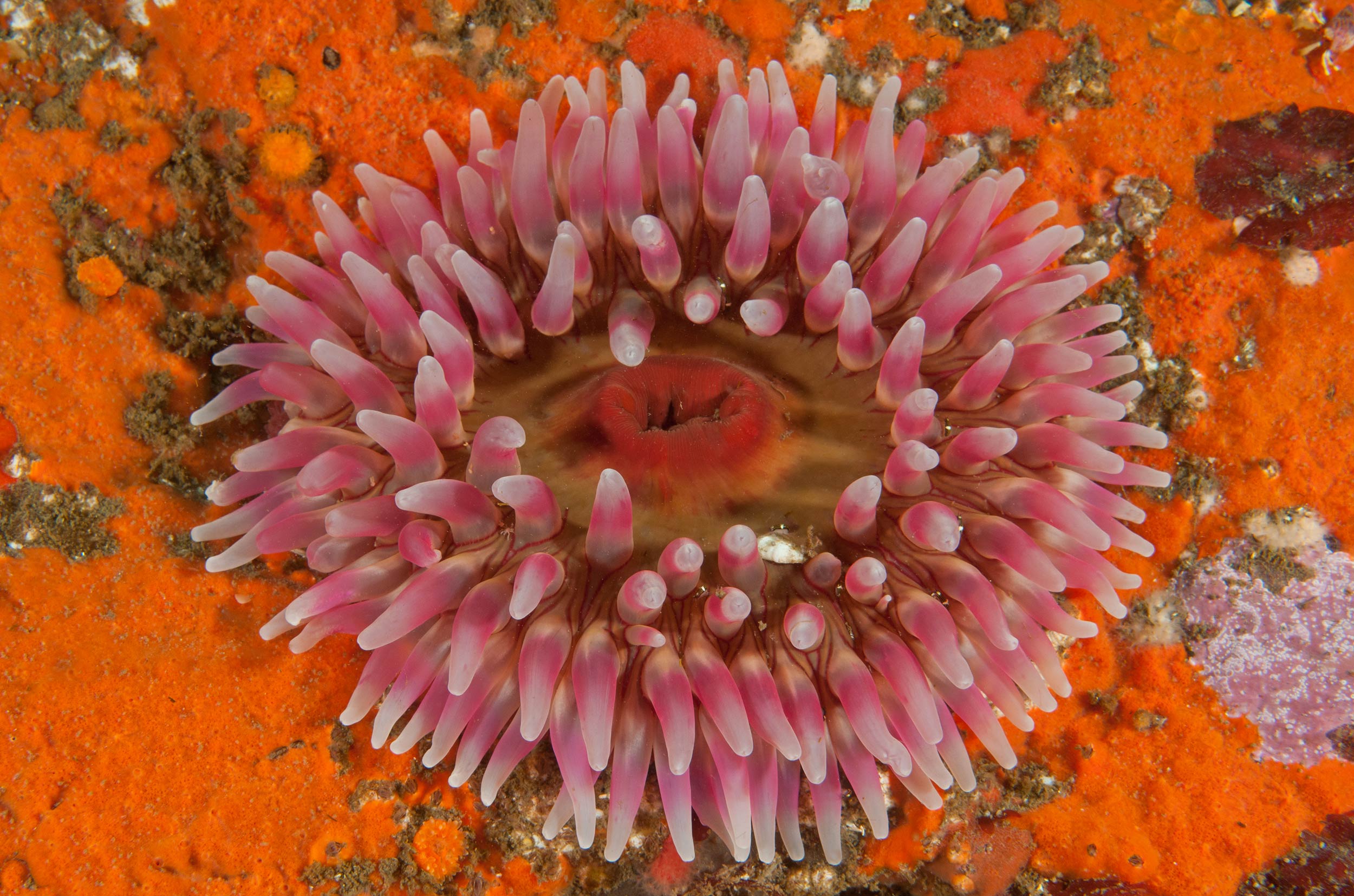
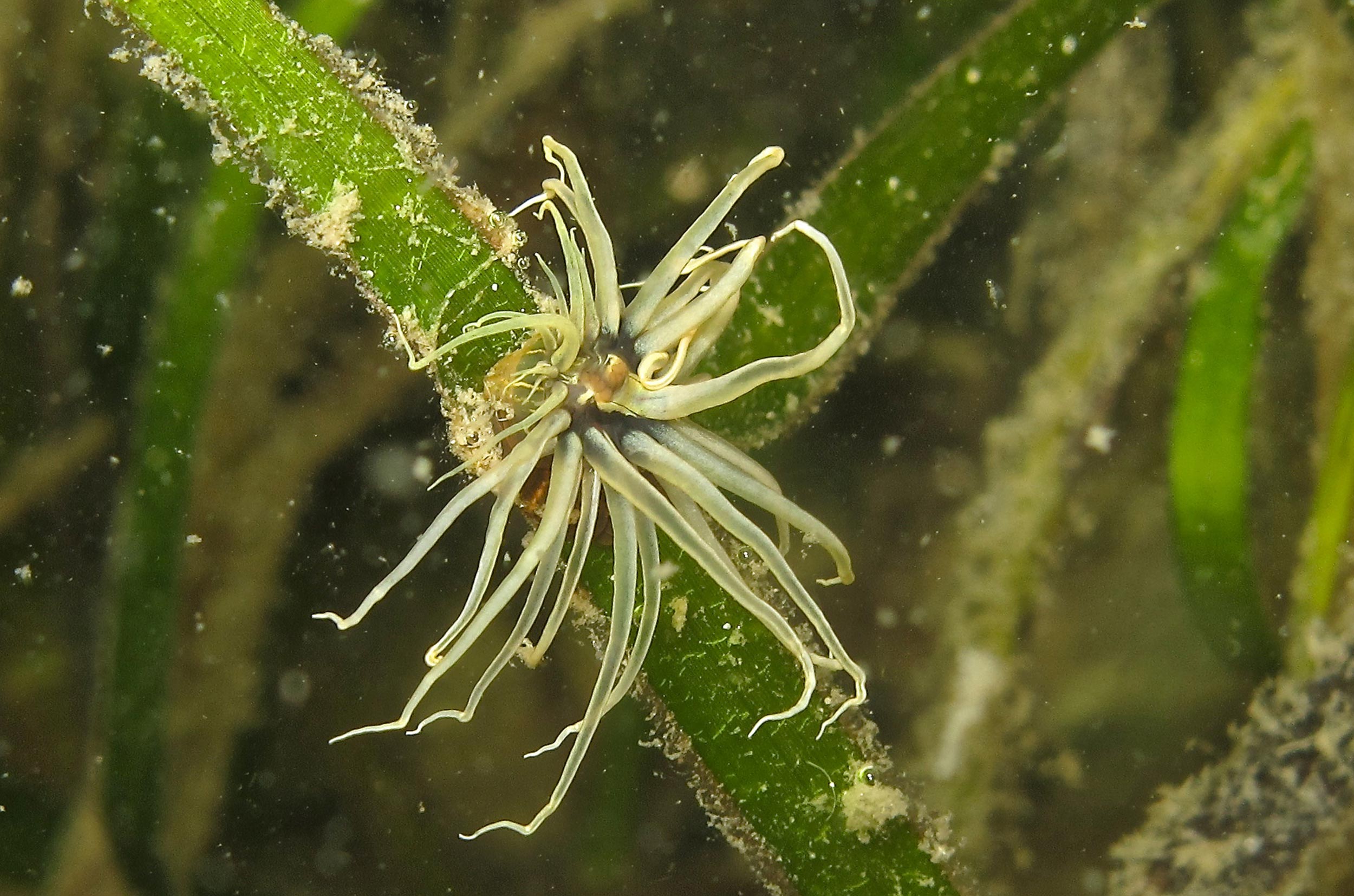
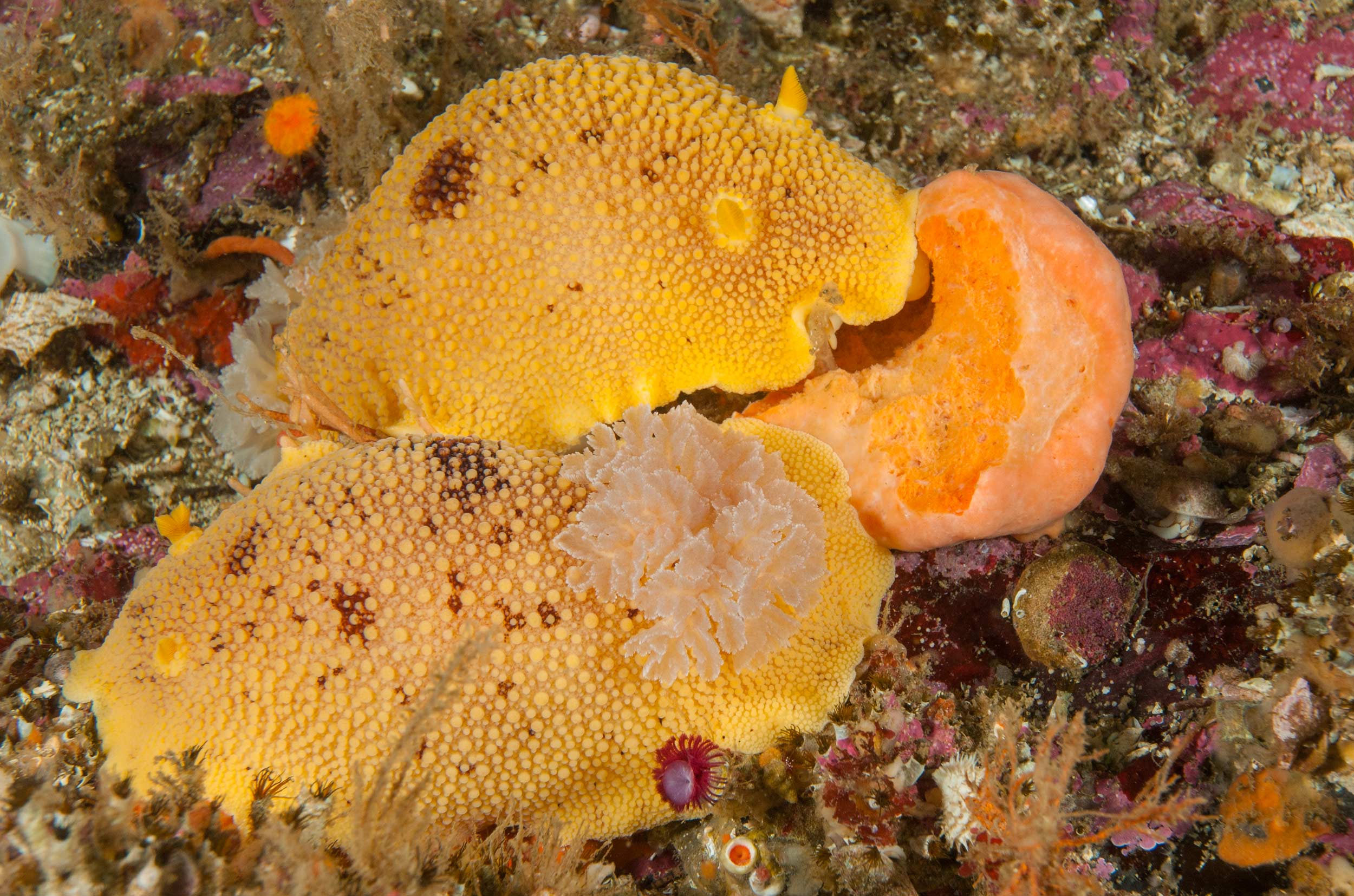
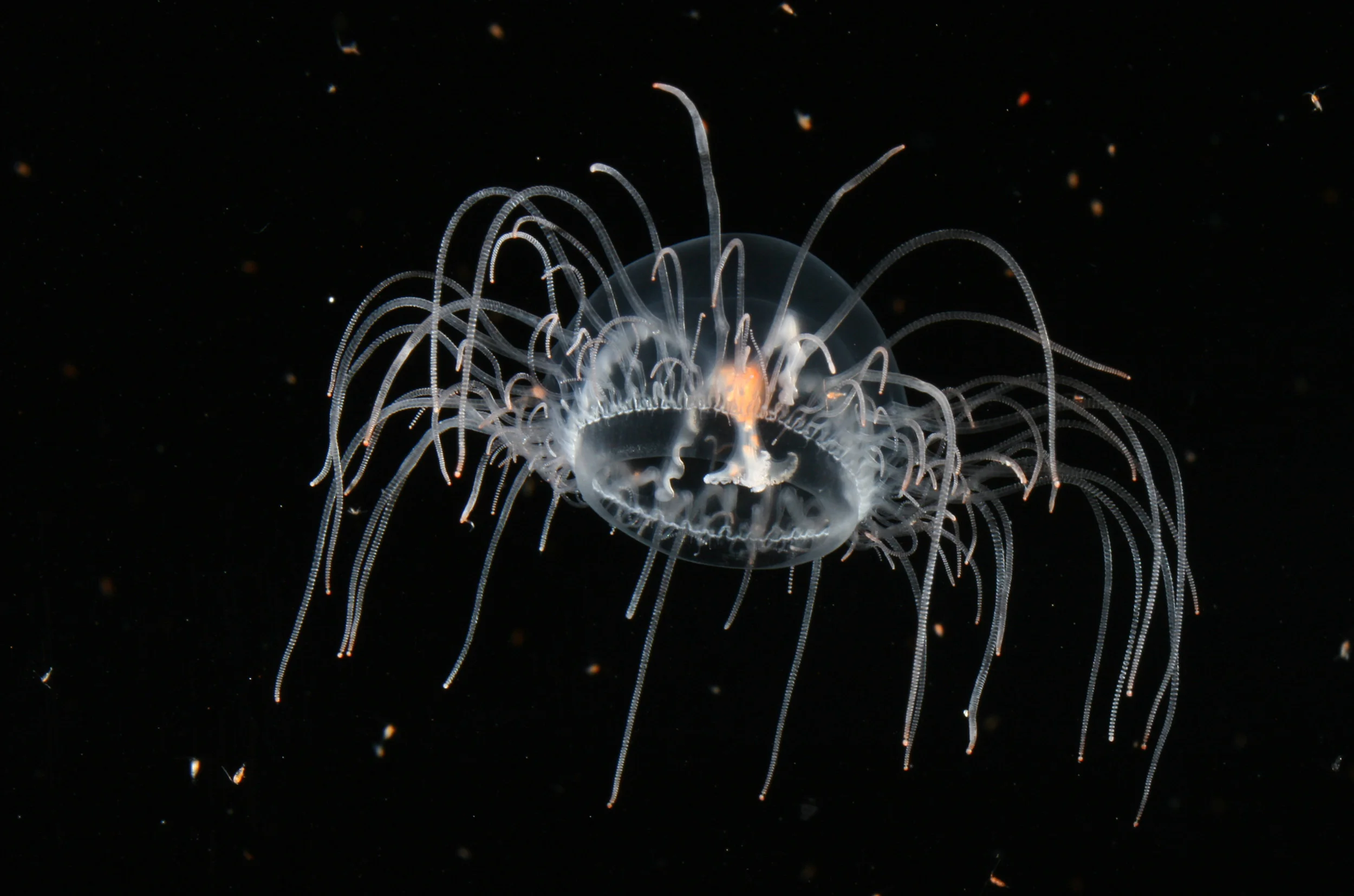
Welcome fellow enthusiasts! The prime objective of my two books, Marine Life of the Pacific Northwest and Coastal Fishes of the Pacific Northwest, is to allow folks – be they beachcombers, divers, kayakers, fishermen, whomever – to make the initial connection between themselves and the featured organisms. Hopefully, answering the often-asked question “What was that strange ‘beastie’ or ‘thing’ I saw?” Putting a name to a seaweed, invertebrate or fish is a critical first step in a learning process. Young or old, novice or expert, we all begin with here. Often this magical initial encounter leads to an appreciation of this living thing’s ‘value’ and ultimately, a desire for its well being as a species.
While proud of these publications and their acceptance by a growing cadre of the curious. I (and my co-authors) realize that these books are but ‘snap shots in time’ and imprisoned by their publication dates. As I continue to enjoy Pacific Northwest marine life, new observations and fresh discoveries delightfully continue. Underwater updates to be passed along to fellow aficionados.
For the ultimate marine life enthusiasts, a consistently updated version of Marine Life of the Pacific Northwest (now over 10 years) is available online, via subscription at KnowBC.
Andy Lamb, Author of: Marine Life of the Pacific Northwest
Interview with author Andy Lamb at the 2013 Tacoma Dive & Adventure Travel Expo. Video by Mike Hughes, Author of "The North American Dive Guide", as well as "The Northwest Dive Guide" by Harbour Publishing.